
Wiem, który podbieg
Cię rozłoży.
Nie „gdzieś w drugiej połowie”. Na konkretnym odcinku i o konkretnej godzinie — z Twoich biegów, profilu pionowego trasy i tempa, w jakim spada Ci forma. Na dwudziestce w Beskidach tak samo jak na setce.
Od vertical kilometer po setkę w górach — jeśli biegasz w terenie, to jest dla Ciebie.
Prognoza ŁUT 150: 30:53. Wynik: [hh:mm]. Zobacz analizę →
14 dni za darmo · kartę podajesz na start, w trakcie próby nie pobieramy nic · anulujesz w każdej chwili
App Store Google Play albo w przeglądarce, bez instalowania
Dowód · ŁUT 150
Liczba była przed startem, nie po
[TEKST TOMKA: 2–3 zdania — gdzie model trafił, gdzie się pomylił i dlaczego.]
Jak to działa
Trzy kroki. Reszta dzieje się sama.
1. Podłączasz zegarek
Raz, bez hasła i bez wklejania tokenu. Potem UltraFlow sam zaciąga HRV, sen, obciążenie i moc.
Suunto — integracja bezpośrednia, zatwierdzona do produkcji. Garmin, Coros, Polar — przez Runalyze (wymaga ich pakietu Supporter). Apple Health — sen i tętno spoczynkowe bez dopłat, ale tą drogą nie przychodzi HRV, więc gotowości z niej nie policzę. Własny plik FIT/GPX — dowolny zegarek, bez integracji.
2. Codziennie rano jedna decyzja
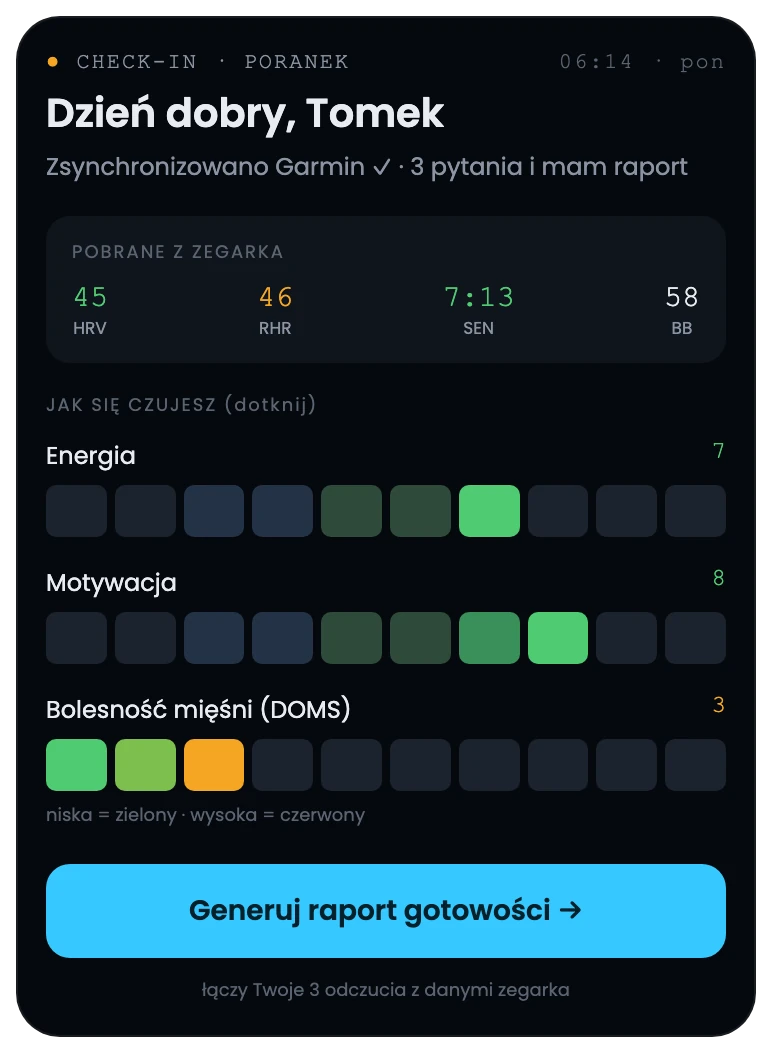
Trenuj, zwolnij albo odpocznij — z Twojego HRV, snu, obciążenia i dziesięciosekundowego check-inu. Nie o sztywnej godzinie, tylko gdy zegarek zsynchronizuje noc.
3. Przed startem: plan trasy
Wgrywasz GPX swojego startu i dostajesz plan wykonania: moc i tempo odcinek po odcinku, decyzje bieg/marsz, ile wody i jedzenia nieść.
Na co dzień
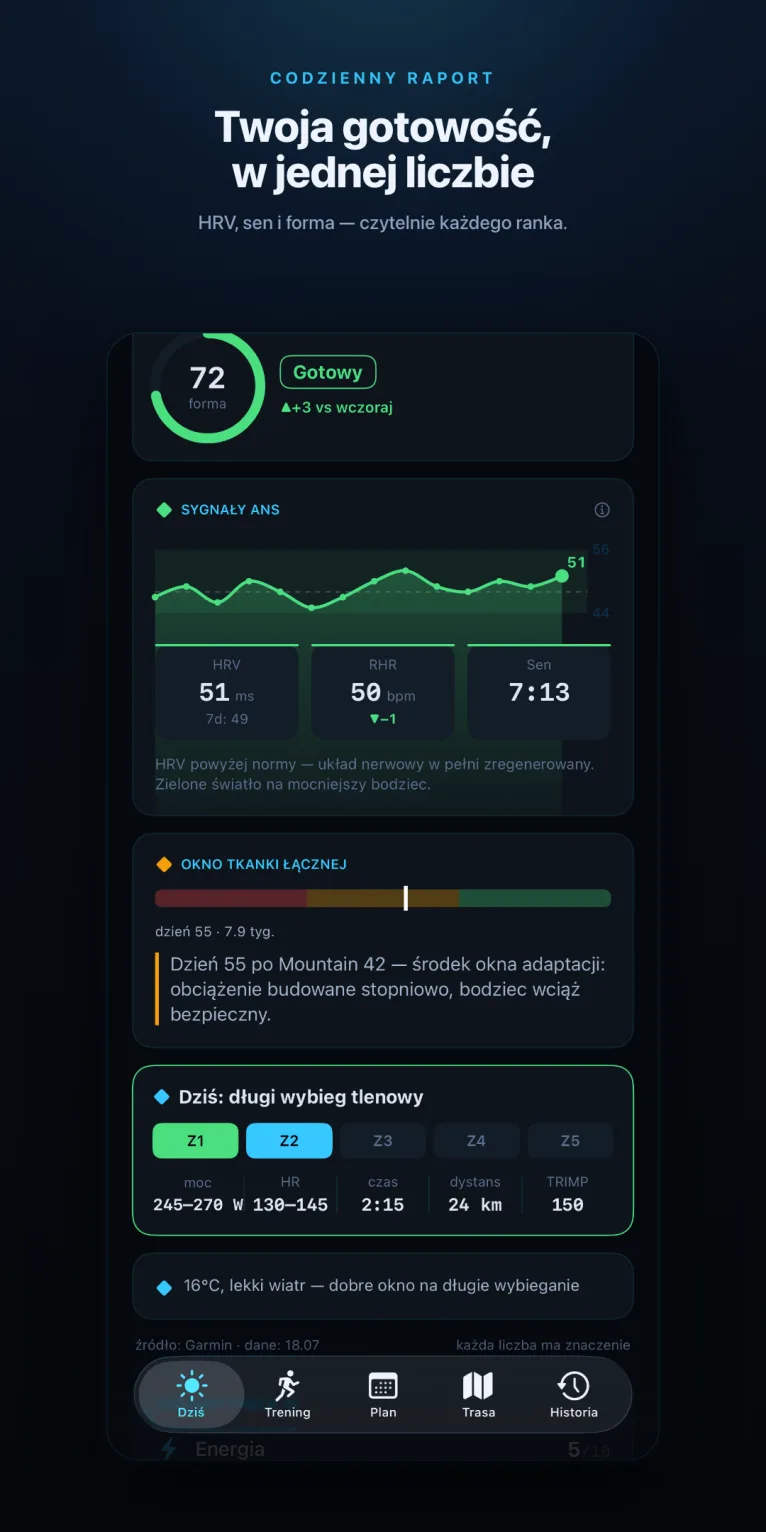
Każdego ranka jedna decyzja
Trenuj, zwolnij albo odpocznij — z Twojego HRV, obciążenia i samopoczucia. Wieczorem analiza tego, co zrobiłeś.
dane przykładowe
Forma Dnia — i zalecenie, nie hasło
HRV, sen i dziesięciosekundowy check-in w jednej odpowiedzi: trenuj, zwolnij albo odpocznij. Z konkretem na dziś — nie „lekki bieg”, tylko HR 130–140, 40 min, leśna trasa. Po treningu sesja rozlicza się sama.
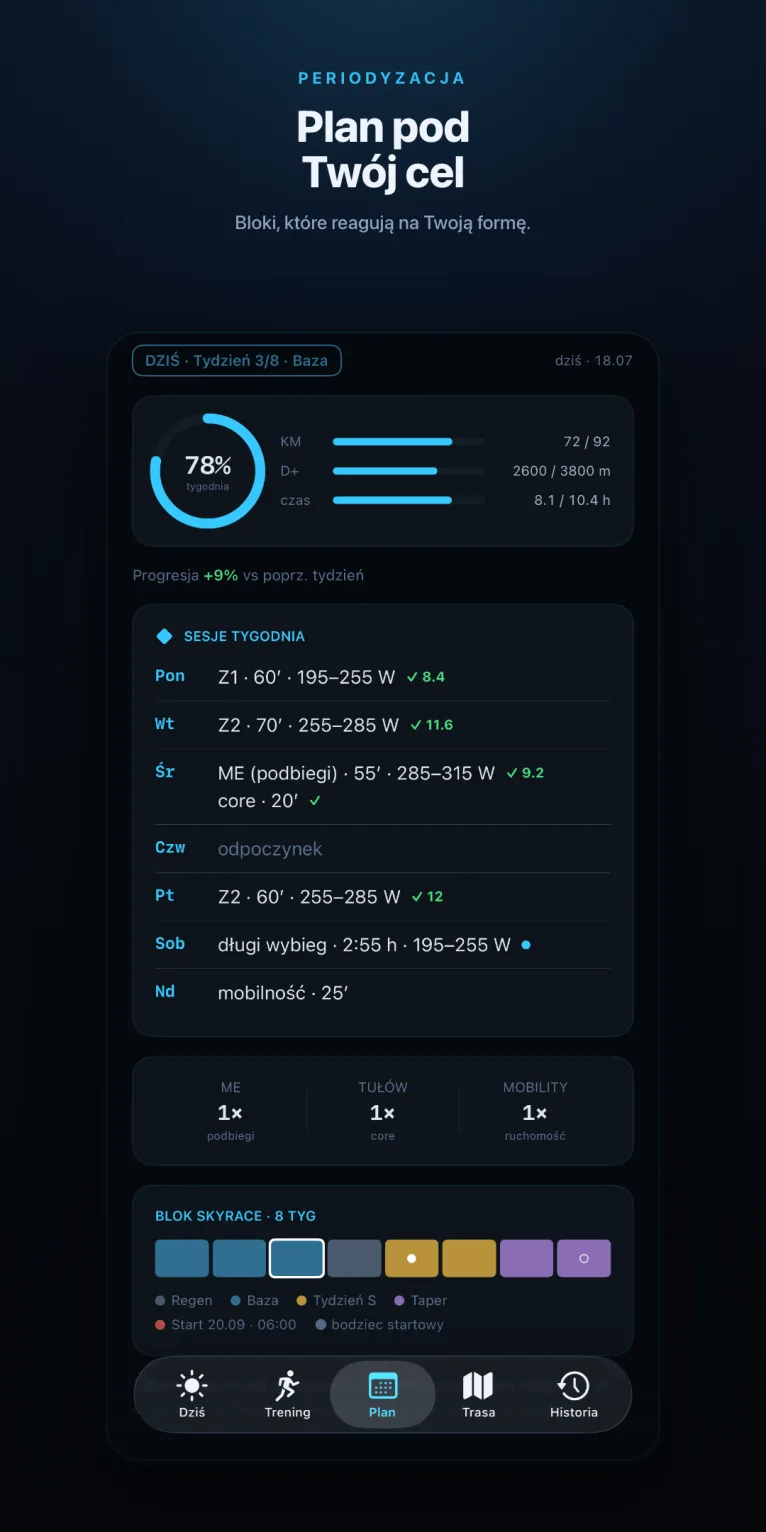
Plan, który idzie za Tobą
Podajesz start — UltraFlow układa całą drogę: regeneracja, baza, tygodnie specyficzne, taper. Liczy to deterministyczny silnik z regułą u źródła, nie narracja AI. I gotowość ma weto: plan podaje intencję dnia, a Forma Dnia może ją zdegradować. Zawsze widzisz, gdzie jesteś i dokąd to zmierza.
Siła, core i mobilność — w planie, nie w domyśle
Bieganie to nie wszystko, co trzyma Cię w całości. Plan niesie sesje core i mobilność 3× w tygodniu przez cały blok — z regułą u źródła, tak samo jak biegi. Wieczorem odhaczasz, co zrobiłeś, i dokładasz stres spoza sportu; jedno i drugie wchodzi do obciążenia, zamiast zniknąć.
Ochrona przed przeciążeniem
Stosunek obciążenia ostrego do przewlekłego (A:C) i monotonia treningu łapią przeciążenie, zanim je poczujesz. Ścięgna i więzadła odbudowują się po dużym ultra wolniej, niż wraca HRV — dobre HRV nie namówi Cię na obciążenie tkanki, która jeszcze nie jest gotowa.
Funkcja flagowa · Analiza przestrzenna · Race Ultra Planer
Trasa skrojona pod Twój start
Plan mówi, jak trenować tygodniami. Race Planner mówi, czego wymaga sam start — wgrywasz trasę, a UltraFlow czyta jej przewyższenia, nachylenia i techniczność, i układa przygotowanie pod jej realne wymagania. Nie pod „bieganie w ogóle”. Pod ten start.
Analiza przestrzenna trasy
Wystarczy, że wgrasz trasę — narzędzie czyta wysokość i nachylenie z Twojego śladu GPX i dzieli trasę na odcinki biegu i marszu. Typ nawierzchni wskazujesz Ty, a planer liczy pod niego tempo.
Adaptuje się do Twojego stylu
Twoje CP, strefy mocy, jak rozkładasz siły na podbiegach i zbiegach, historia startów — plan dopasowuje się do tego, jak naprawdę biegasz, nie do średniej. Im dłużej korzystasz, tym lepiej leży.
Plan tempa na dzień startu
Z realnych wymagań trasy dostajesz plan wykonania na dzień startu: cele mocy i tempa segment po segmencie, decyzje bieg/marsz, gdzie przyspieszyć i gdzie się wstrzymać.
Świadomy pogody
Prognoza na dzień startu wpleciona w plan: elektrolity i strategia na upał, gdy gorąco; warstwy i komfort termiczny, gdy mróz. Góry zmieniają się szybko — plan to uwzględnia.
Plecak na plecach. Planer liczy go tak, jak nikt.
Niesiony ciężar kosztuje na każdym podbiegu — w modelu czas jest wprost proporcjonalny do niesionej masy, więc woda, której nie potrzebujesz, zamienia się w stracone minuty. Planner mówi ile nieść na każdym odcinku. Sprzęt obowiązkowy zostaje nietknięty: tnie tylko nadmiar, nigdy bezpieczeństwo.
Na start dostajesz kartę startową do druku — odcinki, cele mocy i tempa, woda i jedzenie na każdy bufet. Kartka do kieszeni kamizelki, bo na 30. godzinie nikt nie przegląda aplikacji.
Kto to zbudował
Zbudowany przez ultramaratończyka
Testowany każdego ranka
"Mam wszystkie dane. Potrzebowałem czegoś co powie mi co one znaczą — rano, przed kawą."
Jestem Tomasz — certyfikowany trener ultra UESCA, strażak Państwowej Straży Pożarnej, analityk GIS. Używam UltraFlow na własnych danych każdego dnia. Jestem userem #0. Produkt nie wdraża funkcji dopóki nie przeżyje prawdziwego tygodnia treningowego.
📧 napisz do mnie · 🌐 ultraflow.run
Opinie
Prosto z trasy
„Dzięki Planerowi przygotowałem taktykę i żywienie na mój pierwszy górski start. System połączył treningi siłowe z bieganiem i pokazał, kiedy wcisnąć hamulec i odpalić regenerację. UltraFlow nie wróży z fusów, opiera analizę na twardych danych.”
 Biegacz górski
„Najbardziej wartościowe jest dla mnie śledzenie skumulowanego zmęczenia i regeneracji tkanki łącznej — wcześniej tego nie monitorowałem. Ocena bierze pod uwagę kilka kolejnych dni, a nie jeden poranek, więc widzę, że moje subiektywne odczucie gotowości nie zawsze idzie w parze z rzeczywistą regeneracją organizmu. Przed UTMB po długich treningach wydawało mi się, że powinienem odpocząć dłużej, a aplikacja pokazywała, że mogę kontynuować plan.”
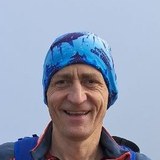 Ultramaratończyk
Cennik
Jedna cena
- Plan treningowy pod Twój start — pełna periodyzacja
- Analiza trasy klasy GIS z planem tempa na dzień startu
- Raport poranny — codziennie
- Sygnały przeciążenia: A:C i monotonia treningu
- Forma Dnia
14 dni za darmo, potem subskrypcja miesięczna — anulujesz kiedy chcesz. Kartę podajesz na start, pierwsza opłata dopiero po okresie próbnym.
Poranna decyzja, którą podejmuje trener — w cenie aplikacji, nie trenera.
Najczęstsze pytania
Wszystko, o co zapytasz przed startem
Jaki zegarek działa?
Suunto — bezpośrednia integracja z pełnym obrazem: sen z fazami, HRV nocne, tętno spoczynkowe i każdy trening synchronizują się same. Garmin, Coros, Polar i inne łączysz przez Runalyze — podpinasz zegarek do Runalyze i klikasz w apce „Połącz przez Runalyze” (mój oficjalny klient OAuth, wymaga pakietu Supporter; nigdy nie podajesz nam hasła). Jeśli masz Garmina i iPhone'a, aplikacja czyta sen i tętno spoczynkowe z Apple Health — bez Runalyze; HRV tą drogą nie przychodzi, więc gotowości też nie ocenię. A z dowolnym zegarkiem już dziś możesz wgrywać pliki FIT/GPX — każdy trening dostaje pełną analizę. ⚠ Same pliki nie niosą jednak HRV, snu ani tętna spoczynkowego, więc na tej drodze nie ocenię Twojej gotowości ani nie zatrzymam Cię przed mocnym akcentem w gorszym dniu — dostajesz analizę treningów, obciążenie i plan.
Mam Stryd (czujnik mocy) — jak dostać waty?
Moc biegowa ze Stryda zapisuje się w pełnym pliku treningu w sposób, którego zwykłe połączenie zegarka nie przekazuje — więc dostaniesz tętno, tempo i obciążenie, ale bez watów. Żeby mieć moc ze Stryda, podłącz się przez Runalyze (wymaga aktywnej subskrypcji Runalyze): Runalyze czyta cały plik treningu i przekazuje moc Stryda do UltraFlow. W skrócie: dla watów ze Stryda użyj połączenia przez Runalyze.
Ile kosztuje?
29 €/miesiąc (129 zł w Polsce), rozliczenie miesięczne, anulujesz w każdej chwili.
Czy jest darmowy okres próbny?
Tak — 14 dni za darmo. Kartę podajesz na start, w trakcie okresu próbnego nie pobieramy nic, a zrezygnować możesz w każdej chwili przed jego końcem. Potem 129 zł miesięcznie.
To porada medyczna?
Nie — to narzędzie treningowe, nie porada medyczna. W sprawach zdrowia: lekarz.
Jakie dane pobierasz?
Aktywność, HRV, sen i obciążenie — tylko do Twoich raportów. Nie sprzedaję. Serwery w UE (Hetzner, Niemcy); językiem raportu zajmuje się Claude API (Anthropic, USA) i trafia tam zminimalizowany kontekst bez danych identyfikujących — szczegóły w Polityce prywatności.
Bieganie oparte na analizie danych,
nie na nadziei
Subskrybuj i zacznij dziś. Suunto łączy się bezpośrednio; Garmin, Coros i Polar przez Runalyze (wymaga pakietu Supporter) — albo wgrywaj pliki FIT, wtedy bez oceny gotowości.
14 dni za darmo · kartę podajesz na start, w trakcie próby nie pobieramy nic · anulujesz w każdej chwili
Jeszcze nie subskrybujesz? Zostań na bieżąco — Suunto łączy się bezpośrednio, Garmin, Coros i Polar przez Runalyze, a dowolny zegarek działa przez upload FIT/GPX (bez danych nocnych, więc bez oceny gotowości).
Double opt-in. Wypisujesz się, kiedy chcesz. Prywatność